
 Português
Trabalhamos com diferentes tipos de células, baterias e soluções de sistemas de armazenamento de energia.
Para dúvidas sobre nossos produtos, deixe um comentário e entraremos em contato em até 24 horas.


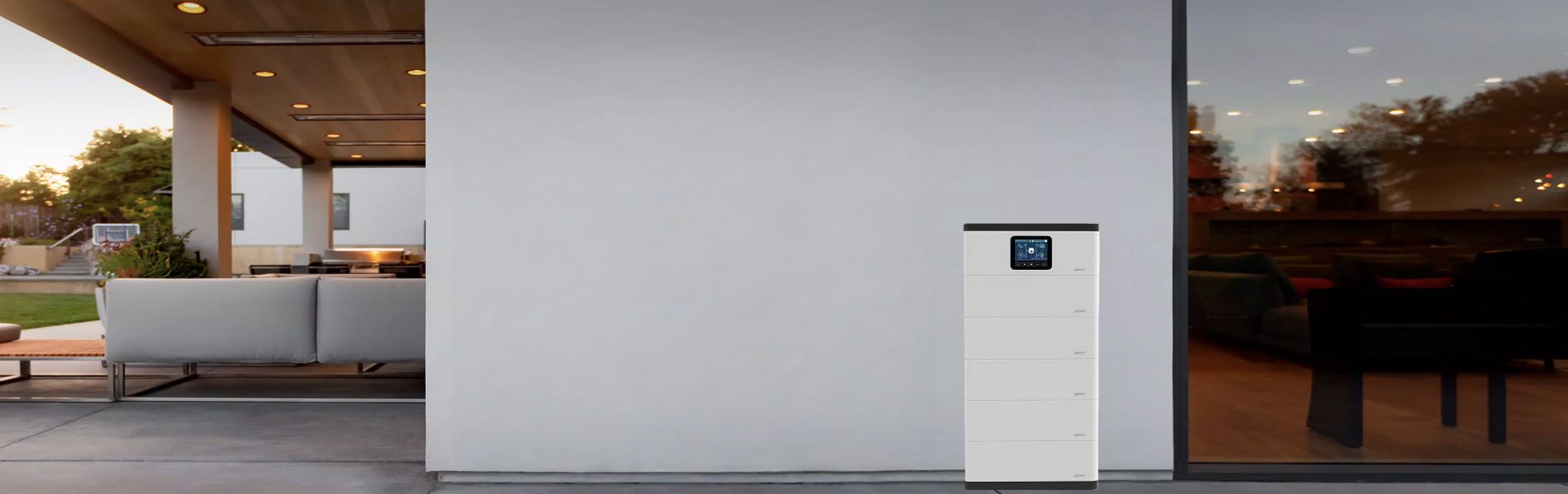

Trabalhamos com diferentes tipos de células, baterias e soluções de sistemas de armazenamento de energia.
Para dúvidas sobre nossos produtos, deixe um comentário e entraremos em contato em até 24 horas.
O panorama energético global está passando por uma profunda transformação. À medida que as nações aceleram seus compromissos com as metas de emissões líquidas zero, os sistemas de armazenamento de energia em baterias de lítio (BESS, na sigla em inglês) emergem como a tecnologia fundamental que viabiliza a implantação em larga escala de energia renovável. A energia solar e eólica são limpas e abundantes, mas sua intermitência inerente — dependente da luz solar e das condições climáticas — há muito tempo limita a confiabilidade da rede elétrica. As baterias de íon-lítio resolvem esse desafio armazenando o excedente de energia durante os picos de geração e liberando-o sob demanda, transformando efetivamente as energias renováveis variáveis em fontes de energia estáveis e despacháveis.
Em 2025, a expansão da capacidade global de armazenamento de baterias atingiu níveis recordes, e as projeções para 2026 apontam para um crescimento ainda mais expressivo, impulsionado pela crescente demanda por data centers com inteligência artificial, iniciativas de modernização da rede elétrica e maior integração de energias renováveis. Essa tecnologia não está apenas apoiando a transição para energias renováveis — ela está ativamente impulsionando-a.
1. Compreendendo os Sistemas de Armazenamento de Energia em Baterias de Lítio (BESS)
As baterias de íon-lítio dominam o mercado de armazenamento estacionário devido ao seu desempenho superior em comparação com tecnologias tradicionais, como as baterias de chumbo-ácido. As principais vantagens incluem:
· Alta densidade energética (150–330 Wh/kg): maior capacidade de armazenamento em menos espaço físico.
·Longa vida útil: 5.000 a mais de 10.000 ciclos com degradação mínima.
· Alta eficiência de ida e volta: 85%–95%, reduzindo as perdas de energia.
·Resposta rápida: capacidade de descarga em nível de milissegundos para serviços de rede.
· Baixa manutenção: sem efeito de memória, baixa autodescarga (aproximadamente 1–2% ao mês).
Um sistema típico de armazenamento de energia em baterias (BESS) é composto por módulos de baterias de lítio (frequentemente com química LFP para maior segurança e custo-benefício), um sistema de gerenciamento de baterias (BMS) para monitoramento e proteção em tempo real, sistemas de conversão de energia (inversores) e soluções de gerenciamento térmico para garantir o desempenho ideal em diversos climas.
Nossas baterias de lítio apresentam química de células avançada, prevenção aprimorada contra fuga térmica e designs robustos, feitos sob medida para a integração de energia renovável, garantindo segurança, longevidade e compatibilidade perfeita com as principais marcas de inversores e sistemas SCADA.
2. Como os sistemas de armazenamento de energia em baterias de lítio superam o desafio da intermitência
A geração de energia renovável é inerentemente variável: a produção solar atinge o pico ao meio-dia e cai à noite, enquanto a energia eólica flutua com os padrões climáticos. Sem armazenamento, o desperdício de energia limpa é comum. Os sistemas de armazenamento de energia em baterias de lítio resolvem esse problema por meio de múltiplos mecanismos:
· Deslocamento temporal de energia: carregamento durante períodos de alta geração/baixa demanda e descarregamento durante os períodos de pico de demanda.
·Regulação da frequência e da tensão da rede: resposta instantânea estabiliza redes com alta penetração de energias renováveis.
·Redução de picos de demanda e arbitragem: armazenamento de energia de baixo custo para uso ou venda durante períodos de preços elevados, proporcionando economias significativas.
·Energia de reserva e capacidade de partida a frio: restabelecimento de energia após interrupções e suporte à independência da microrrede.
·Firmeza das energias renováveis: suavização da produção de parques solares e eólicos, aumentando a receita do projeto e o valor para a rede elétrica.
3. Principais benefícios do armazenamento de energia em baterias de lítio para energias renováveis
Vantagens Econômicas
A redução de custos e a maior vida útil proporcionam um forte retorno sobre o investimento (ROI), com períodos típicos de retorno de 5 a 8 anos. O mercado global de sistemas de armazenamento de energia em baterias (BESS) está em rápida expansão, com as tecnologias de íon-lítio detendo aproximadamente 88% a 99% da participação de mercado.
Impacto ambiental
Substituir as centrais termoelétricas a combustíveis fósseis por sistemas de armazenamento de energia em baterias reduz significativamente as emissões de carbono, apoiando diretamente as metas de descarbonização.
Flexibilidade operacional
Escalável para aplicações residenciais (kWh) até aplicações de grande escala (centenas de MWh), com ampla tolerância à temperatura e baixos requisitos de manutenção.
Resiliência da rede
Permite níveis de penetração de energias renováveis superiores a 50% em determinadas regiões sem comprometer a estabilidade da rede elétrica.
Fontes de receita adicionais
Os ativos de sistemas de armazenamento de energia em baterias (BESS) podem participar de mercados de serviços auxiliares, mercados de capacidade e programas de resposta à demanda, criando oportunidades de receita diversificadas.
4. Conclusão
O armazenamento de energia em baterias de lítio é o elemento indispensável para a revolução das energias renováveis. Ele oferece confiabilidade, valor econômico e benefícios ambientais em todas as escalas — desde sistemas residenciais de energia solar com armazenamento até projetos de grande escala para a rede elétrica nacional.
Se você está desenvolvendo projetos de energia solar, eólica ou híbrida, nossas soluções premium de armazenamento de energia em baterias de lítio oferecem o desempenho, a segurança e o suporte técnico necessários para o seu sucesso nos mercados internacionais.
Entre em contato conosco hoje mesmo para discutir soluções personalizadas de armazenamento de energia, especificações técnicas detalhadas e oportunidades de colaboração em projetos.
Perguntas frequentes
P1: O que é um sistema de armazenamento de energia com baterias de lítio (BESS)?
A: Um sistema de armazenamento de energia em baterias (BESS) utiliza baterias de íon-lítio para armazenar energia elétrica e liberá-la quando necessário. Ele inclui módulos de bateria, sistema de gerenciamento de bateria (BMS), inversores e sistemas térmicos — ideal para integração de energias renováveis.
P2: Como as baterias de lítio resolvem o problema da intermitência da energia solar e eólica?
A: Eles armazenam o excesso de energia durante os períodos de pico de geração e o descarregam durante períodos de baixa produção ou alta demanda, fornecendo energia estável e despachável.
P3: Quais são as principais vantagens dos sistemas de armazenamento de energia em baterias de íon-lítio?
A: Alta densidade de energia, longa vida útil (5.000 a mais de 10.000 ciclos), alta eficiência (85 a 95%), resposta rápida e escalabilidade.
Q4: As baterias de lítio são seguras para uso comercial e em concessionárias de energia?
A: Sim. Os projetos avançados incluem proteção BMS, prevenção de fuga térmica e química LFP para maior segurança.
Q5: Quais as escalas de projeto que as suas soluções suportam?
A: Projetos residenciais, comerciais e industriais (C&I) e grandes projetos de infraestrutura de serviços públicos.
Q6: Qual é a vida útil típica de um sistema de armazenamento de energia em baterias de lítio?
A: 10 a 20 anos ou mais, dependendo do uso, com boas garantias do fabricante.
Q7: O armazenamento de baterias de lítio é economicamente viável?
A: Sim. A rápida queda dos preços e as múltiplas fontes de receita (arbitragem de energia, serviços de rede) proporcionam um retorno sobre o investimento (ROI) atrativo, geralmente dentro de 5 a 8 anos.
P8: O que faz com que suas baterias de lítio se destaquem?
A: Química avançada para segurança e longevidade, excelente desempenho térmico e compatibilidade perfeita com inversores e sistemas de energia renovável.
Q9: Quais são os principais desafios e como eles são abordados?
A: Os custos iniciais e da cadeia de suprimentos estão sendo mitigados por meio de inovação, programas de reciclagem e apoio político.
Q10: Como posso iniciar um projeto com o seu sistema de armazenamento de energia em baterias (BESS)?
A: Entre em contato conosco para obter soluções personalizadas, fichas técnicas e suporte de projeto adaptados às suas necessidades de energia renovável.

Deixe um recado
Escaneie para o WeChat :

Hi! Click one of our members below to chat on