
 Português
Trabalhamos com diferentes tipos de células, baterias e soluções de sistemas de armazenamento de energia.
Para dúvidas sobre nossos produtos, deixe um comentário e entraremos em contato em até 24 horas.


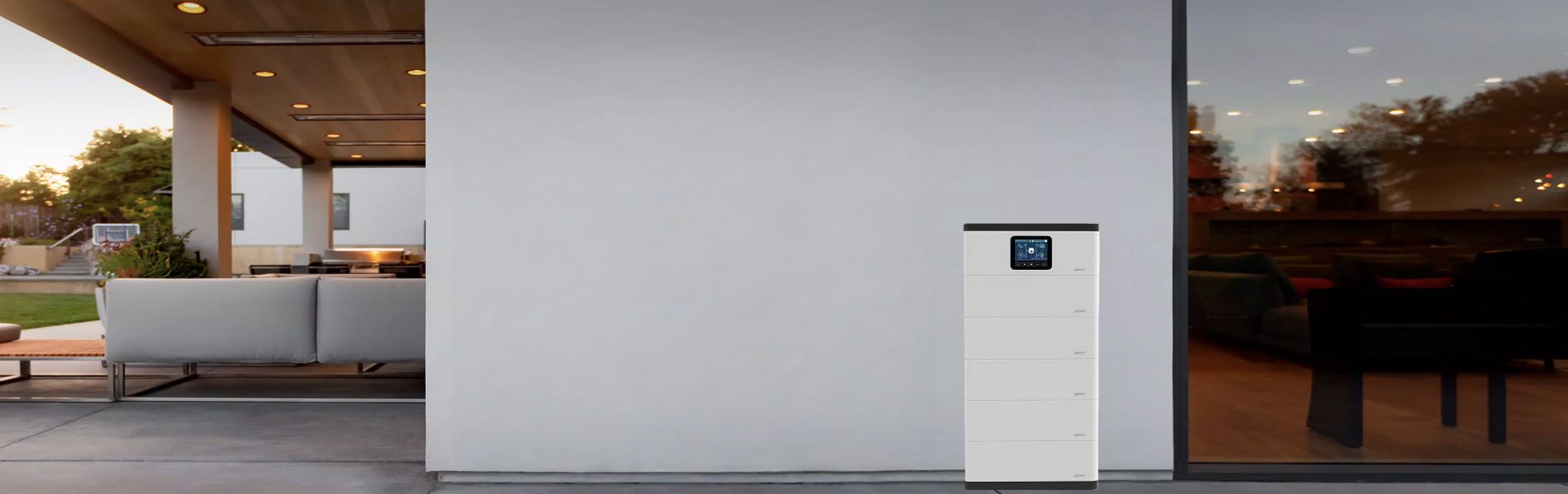

Trabalhamos com diferentes tipos de células, baterias e soluções de sistemas de armazenamento de energia.
Para dúvidas sobre nossos produtos, deixe um comentário e entraremos em contato em até 24 horas.
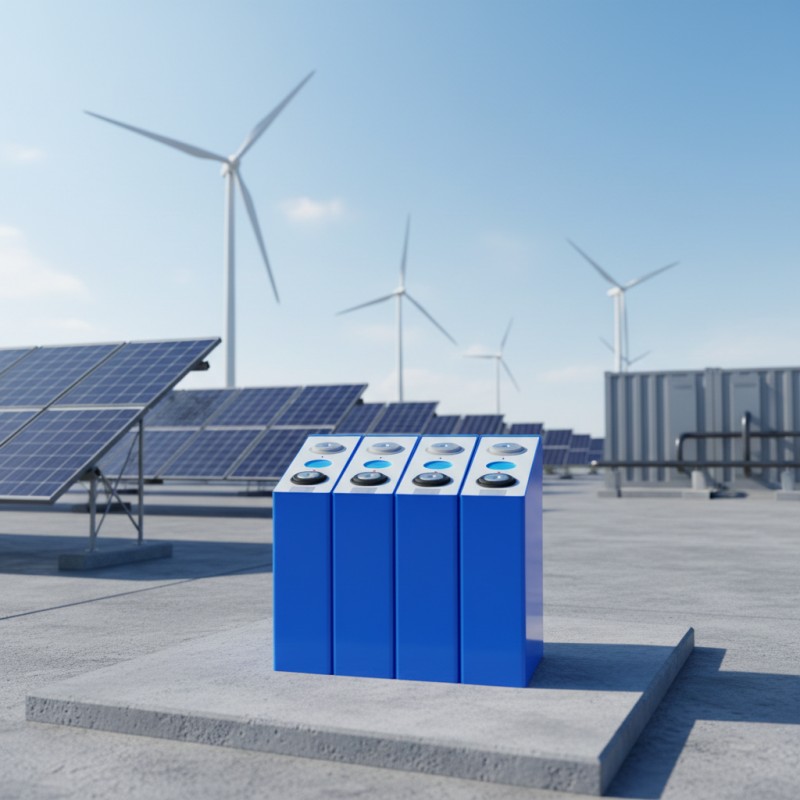
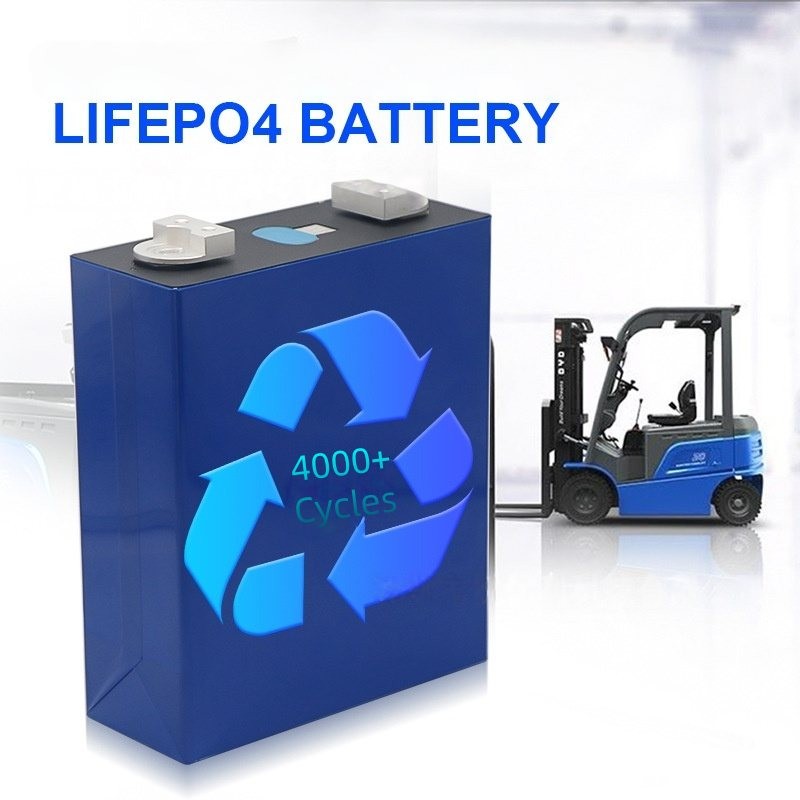
Células LFP prismáticas Os modelos LF105, LF150 e LF280K estão entre as opções mais populares para armazenamento de energia solar, veículos recreativos, sistemas de armazenamento de energia residenciais e sistemas de armazenamento de energia comerciais e industriais. Todos os três modelos apresentam alta segurança, longa vida útil e excelente estabilidade térmica.
Guia de seleção rápida:
• Sistemas de pequeno a médio porte (<15-20 kWh): Escolha o LF105 – compacto, leve e fácil de montar.
• Sistemas de distribuição equilibrados: Escolha o LF150 – boa capacidade e relação custo-benefício.
• Sistemas de grande porte (>20-30 kWh): Escolha LF280K – maior energia por célula, menor custo de sistema e maior vida útil.
Sua escolha final dependerá das necessidades de capacidade da bateria, restrições de espaço, orçamento e plataforma de voltagem.
Principais conclusões
• Todas as três são células LFP prismáticas premium com revestimento de alumínio e excelente segurança (sem risco de fuga térmica).
• O LF280K oferece a maior capacidade e a melhor relação custo-benefício a longo prazo para baterias de grande porte.
• O LF105 é o mais compacto e leve, ideal para aplicações com espaço limitado ou em espaços reduzidos.
• A vida útil em ciclos é excelente (4.000 a mais de 8.000 ciclos a 25 °C), muito superior à das células NMC.
• Carregamento até 3,65V, descarregamento até 2,5V (2,0V em baixa temperatura), sempre utilize com um BMS compatível.
Detalhado Comparação de especificações
Parâmetro | LF105 | LF150 | LF280K | Vencedor / Observações |
Capacidade Nominal | 105 Ah | 150 Ah | 280 Ah | LF280K |
Energia Nominal | 336 Wh | 483 Wh | 896 Wh | LF280K |
Tensão Nominal | 3,2 V | 3,22V | 3,2 V | Semelhante |
Peso | 1.980 ± 60 g | 2.830 ± 84 g | 5.490 ± 300 g | LF105 (mais leve) |
Dimensões (com película azul) | 36,35 × 130,3 × 200,5 mm | 33,25 × 200,7 × 207 mm | 71,7 × 173,7 × 207,2 mm | LF105 o mais compacto |
Carga/Descarga Padrão | 52,5 A (0,5 °C) | 75 A (0,5 °C) | ~140 A (0,5P) | / |
Descarga instantânea máxima | 3C | 3C | Alta taxa suportada | Todos fortes |
Resistência interna inicial | 0,32 ± 0,05 mΩ | 0,40 ± 0,05 mΩ | < 0,25 mΩ | LF280K |
Vida útil do ciclo (25°C) | ≥4.000 ciclos (80% SOH) | Vida útil de alto ciclo | ≥8.000 ciclos (70% SOH) | LF280K |
Faixa de temperatura de carga | -10°C ~ 65°C | -10°C ~ 65°C | 0°C ~ 60°C | LF105/LF150 mais largo |
Faixa de temperatura de descarga | -35°C ~ 65°C | -35°C ~ 65°C | -30°C ~ 60°C | LF105/LF150 melhor |
Soluções para o setor e casos reais
• Armazenamento de energia solar residencial: Muitos usuários constroem sistemas de 15 a 30 kWh com células LF280K para redução de picos de demanda, energia de reserva e autoconsumo. O longo ciclo de vida proporciona um excelente retorno sobre o investimento.
• Vida em RV e Van: LF105 e LF150 são as favoritas entre os construtores devido ao seu peso mais leve e tamanho flexível, permitindo bancos de baterias de lítio compactos, porém potentes.
• Armazenamento comercial e industrial: A alta capacidade do LF280K permite configurações paralelas em larga escala, reduzindo custos e, ao mesmo tempo, melhorando a confiabilidade e a eficiência do sistema.
Conclusão
Não existe uma única célula "perfeita" — apenas aquela que melhor se adapta às suas necessidades específicas. A LF280K domina em aplicações de grande escala, a LF105 se destaca em configurações compactas/móveis e a LF150 oferece um excelente meio-termo.
Perguntas frequentes
1. Para quais aplicações o LF105 é mais indicado?
O LF105 é ideal para projetos com restrições de espaço e peso, como pequenos sistemas de armazenamento de energia residencial, montagem de trailers/vans, postes de iluminação solar e estações de energia portáteis. Seu perfil fino facilita a montagem de baterias de 12V/24V/48V.
2. Quais são as vantagens do LF150 em relação ao LF105?
A LF150 oferece cerca de 43% mais capacidade, mantendo um bom desempenho térmico e capacidade de operação em baixas temperaturas. Ela reduz o número de células necessárias em um pacote, diminuindo a complexidade de montagem e o custo para sistemas de médio porte.
3. Por que o LF280K é tão popular?
Com 280Ah por célula, reduz significativamente o número de células, canais BMS e componentes estruturais necessários, diminuindo o custo total do sistema. É a escolha ideal para sistemas de armazenamento de energia residenciais e comerciais de 10 a 30+ kWh, com o maior ciclo de vida útil.
4. Quão seguras são essas células?
Todas as baterias são de química LFP e passaram por rigorosos testes de segurança (sobrecarga, descarga excessiva, curto-circuito, esmagamento, penetração de prego, aquecimento, etc.). Elas não apresentam risco de incêndio ou explosão, tornando-as muito mais seguras do que as baterias NMC para uso doméstico e externo.
5. Quais são as principais considerações relativas ao carregamento e ao BMS?
Utilize o carregamento padrão de 0,5C sempre que possível.
Sempre utilize um BMS de qualidade que monitore a voltagem, a temperatura e o SOC de cada célula individualmente.
Para armazenamento a longo prazo, mantenha com um teor de carbono orgânico (SOC) de 30–50% em um ambiente de 0–35°C.
Siga os parâmetros de soldagem e a força de compressão recomendados.
6. Como escolho a melhor bateria para minha mochila?
Orçamento limitado ou sistema pequeno → LF105
Bom equilíbrio entre desempenho e custo → LF150
Sistema de grande porte e investimento a longo prazo → LF280K
Antes de decidir, calcule suas necessidades energéticas totais, o espaço disponível e os ciclos esperados.

Deixe um recado
Escaneie para o WeChat :

Hi! Click one of our members below to chat on