
 Português
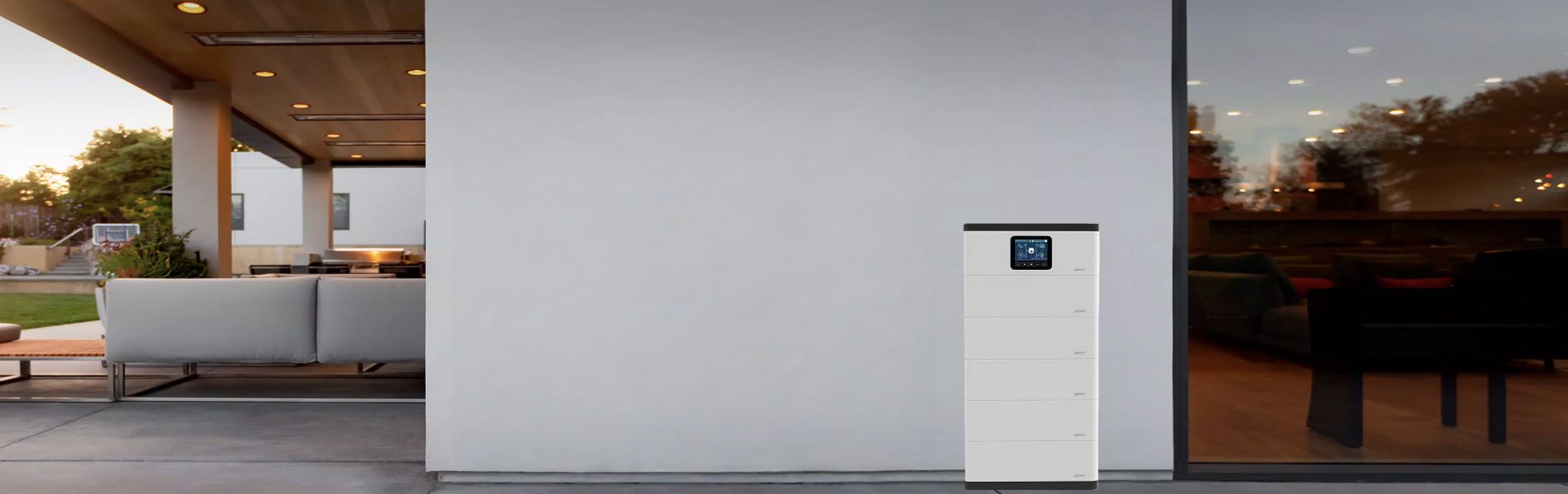
Trabalhamos com diferentes tipos de células, baterias e soluções de sistemas de armazenamento de energia.
Para dúvidas sobre nossos produtos, deixe um comentário e entraremos em contato em até 24 horas.



Trabalhamos com diferentes tipos de células, baterias e soluções de sistemas de armazenamento de energia.
Para dúvidas sobre nossos produtos, deixe um comentário e entraremos em contato em até 24 horas.
Você está pilotando sua scooter elétrica e tudo parece perfeito — até chegar a uma ladeira. De repente, a scooter perde velocidade, tem dificuldade para manter o ritmo ou até mesmo para completamente. Parece familiar? Você não está sozinho. problemas de subida de ladeiras com patinete elétricoSubidas e descidas são uma das queixas mais comuns entre usuários do mundo todo. A boa notícia é que a maioria das causas é identificável e solucionável. Neste guia, vamos explicar os principais motivos pelos quais sua scooter tem um desempenho ruim em subidas e o que você pode fazer para resolver o problema.
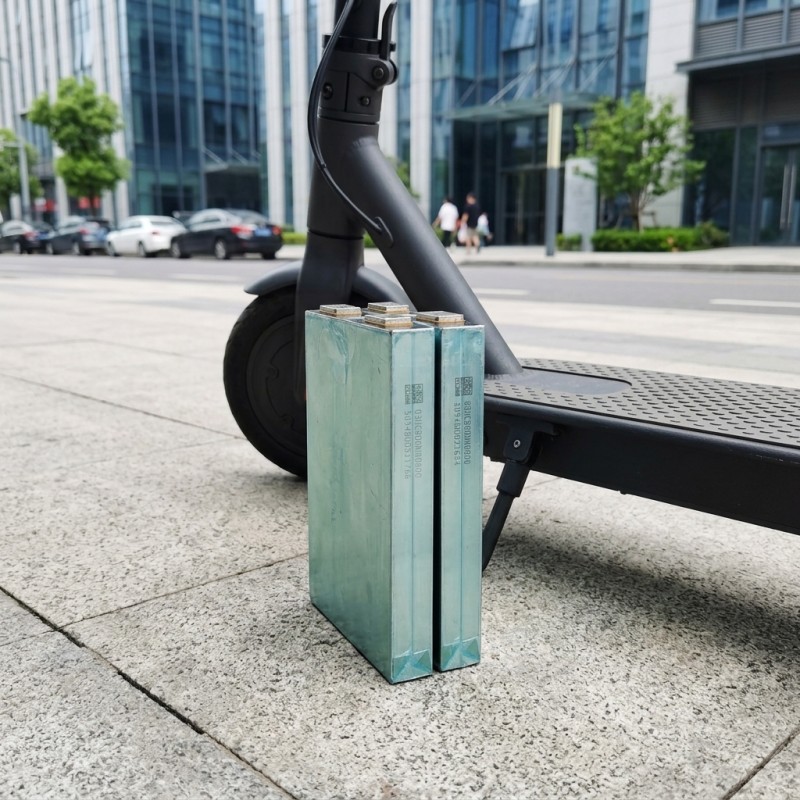
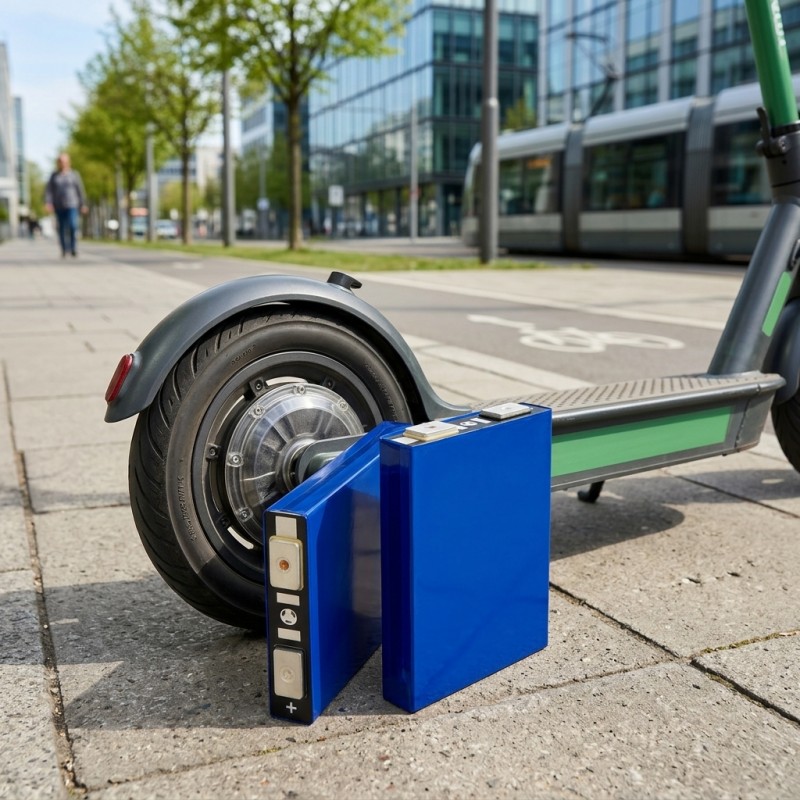
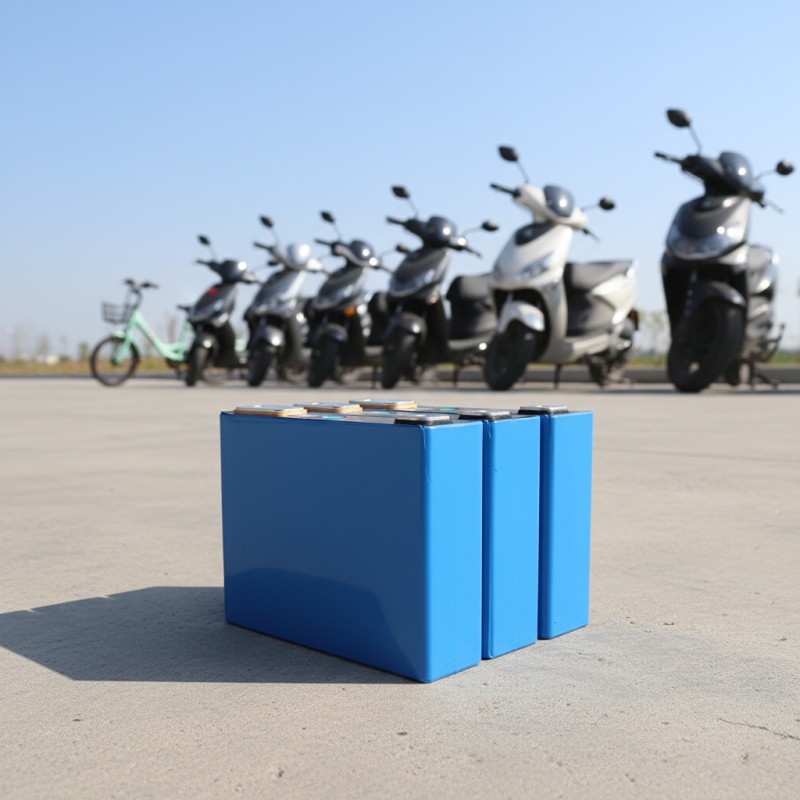
Subir ladeiras exige muito mais potência do que andar em terreno plano. Se a sua bateria for antiga, estiver degradada ou não estiver totalmente carregada, ela simplesmente não conseguirá fornecer a corrente contínua necessária para impulsionar o motor em uma subida.
Sinais de que o problema está na bateria:
• A scooter tem bom desempenho em estradas planas, mas perde potência em declives.
• A porcentagem da bateria cai rapidamente durante subidas.
• Autonomia visivelmente reduzida em comparação com quando a scooter era nova.
• A scooter desliga repentinamente sob carga pesada.
Consertar:Use sempre a bateria totalmente carregada. Se a sua scooter tiver mais de 2 anos, considere substituir a bateria. A atualização para uma bateria de alta capacidade também pode ser uma boa opção. bateria de lítio para scooter elétricaPode melhorar drasticamente o desempenho em subidas e a autonomia geral.
A potência do motor é medida em watts (W), e o torque determina a eficiência com que um motor consegue impulsionar o peso em subidas. Patinetes elétricos mais baratos geralmente vêm equipados com motores de 250W a 350W — suficientes para deslocamentos urbanos em terreno plano, mas insuficientes para inclinações íngremes acima de 10 a 15 graus.
Para ciclistas em cidades montanhosas ou regiões com terreno variado — como Wellington, na Nova Zelândia, ou áreas montanhosas da Ásia Central — um motor de scooter de pelo menos 500WRecomenda-se o uso de scooters com motor duplo (1000W+) para subidas com segurança. Elas oferecem o melhor desempenho em subidas.
Consertar:Se o motor da sua scooter atual não tiver potência suficiente para o terreno local, a solução mais eficaz a longo prazo é substituí-lo por um motor com maior potência ou por um novo modelo com maior torque.
Cada patinete elétrico tem uma capacidade máxima de carga, geralmente entre 100 kg e 120 kg. Ultrapassar esse limite sobrecarrega o motor e a bateria, dificultando ou impossibilitando a subida de ladeiras — mesmo em um patinete novo.
Consertar:Verifique a ficha técnica da sua scooter para saber a capacidade máxima de carga. Se estiver perto ou acima do limite, considere um modelo reforçado com maior capacidade. Reduzir o peso da carga ou dos acessórios transportados também pode ajudar a melhorar o desempenho em subidas.
A baixa pressão dos pneus aumenta a resistência ao rolamento — o atrito entre o pneu e a superfície da estrada. Em terreno plano, isso pode reduzir ligeiramente a sua velocidade. Em uma subida, no entanto, pode fazer a diferença entre chegar ao topo ou parar no meio do caminho.
Consertar:Verifique a pressão dos pneus regularmente e calibre-os de acordo com a pressão recomendada pelo fabricante (PSI). No caso de pneus com câmara de ar, inspecione também se há furos ou desgaste irregular. Pneus devidamente calibrados não só melhoram a subida de ladeiras, como também prolongam a vida útil da bateria e a autonomia geral.
O controlador do motor regula a quantidade de energia que flui da bateria para o motor. Um controlador defeituoso ou subdimensionado pode limitar a corrente de saída, fazendo com que a scooter tenha um desempenho inferior — especialmente em condições de carga pesada, como subidas íngremes.
Sinais comuns de um problema no controlador:
• A scooter dá solavancos ou hesita ao acelerar em subidas.
• Fornecimento de potência inconsistente em declives
• Calor anormal emanando da área do controlador.
• Códigos de erro exibidos no painel da scooter
Consertar:Leve o controlador para ser inspecionado por um técnico qualificado. Em muitos casos, a substituição de um controlador defeituoso é uma solução econômica que pode restaurar completamente o desempenho em subidas.
A maioria dos problemas com patinetes elétricos em subidas se resume a um fator principal: fornecimento insuficiente de energia. Seja uma bateria degradada, um motor com potência insuficiente ou um controlador desgastado, a causa principal geralmente é o sistema de energia com dificuldade para atender à demanda.
Atualizando para um modelo de alto desempenho. Bateria de lítio para scooter elétricaÉ uma das maneiras mais eficazes de restaurar e melhorar o desempenho em subidas. Nossas baterias de lítio são projetadas para aplicações de alta descarga, fornecendo potência consistente mesmo em inclinações íngremes — tornando-as a opção ideal para ciclistas em regiões montanhosas da Nova Zelândia, Rússia, Ásia Central e outros lugares.
Tem dúvidas sobre como atualizar a bateria da sua scooter? Entre em contato com nossa equipe hoje mesmo.Para aconselhamento especializado e uma solução personalizada.
P1: Por que minha scooter elétrica diminui a velocidade em subidas, mas funciona bem em estradas planas?
Geralmente, isso indica um problema com a bateria ou com a potência do motor. Subir ladeiras exige muito mais energia do que andar em terreno plano. Uma bateria degradada ou um motor com potência insuficiente não conseguem manter o desempenho necessário em subidas. Verifique o estado da sua bateria e certifique-se de que ela esteja totalmente carregada antes de pedalar.
Q2: Qual a potência do motor necessária para subir ladeiras?
Para subidas moderadas (até 15°), um motor de 500 W é o mínimo recomendado. Para terrenos mais íngremes ou ciclistas mais pesados, um motor de 800 W a 1000 W ou uma configuração com dois motores proporcionará um desempenho confiável em subidas.
P3: A atualização da bateria pode melhorar o desempenho em subidas?
Sim, significativamente. Uma bateria de lítio de alta capacidade com forte capacidade de descarga pode fornecer uma corrente mais constante ao motor, resultando em uma potência visivelmente melhor em subidas e um desempenho geral superior.
Q4: O peso do condutor afeta a capacidade de subir ladeiras com patinetes elétricos?
Sim. Quanto mais pesada a carga total (condutor + carga), mais potência é necessária para subir uma ladeira. Verifique sempre se o peso combinado está dentro da capacidade máxima de carga da scooter para uma operação segura e eficiente.
Q5: Como o clima frio afeta o desempenho da scooter elétrica em subidas?
As baixas temperaturas reduzem a capacidade da bateria e aumentam a resistência interna, tornando a subida de ladeiras ainda mais difícil no inverno. As baterias de fosfato de ferro-lítio (LiFePO4) com funções de aquecimento BMS integradas apresentam desempenho significativamente melhor em climas frios em comparação com as baterias de chumbo-ácido padrão ou as baterias básicas de lítio.

Deixe um recado
Escaneie para o WeChat :

Hi! Click one of our members below to chat on