
 Português
Trabalhamos com diferentes tipos de células, baterias e soluções de sistemas de armazenamento de energia.
Para dúvidas sobre nossos produtos, deixe um comentário e entraremos em contato em até 24 horas.


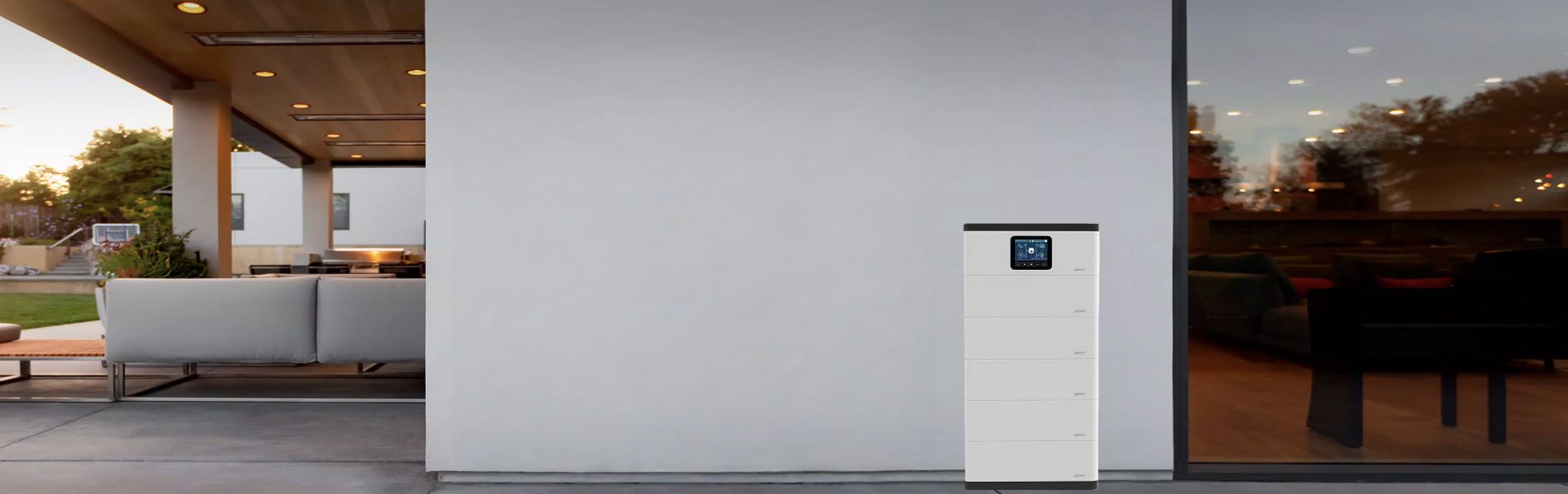

Trabalhamos com diferentes tipos de células, baterias e soluções de sistemas de armazenamento de energia.
Para dúvidas sobre nossos produtos, deixe um comentário e entraremos em contato em até 24 horas.
Ao escolher uma solução de armazenamento de energia para equipamentos industriais, veículos elétricos, sistemas solares ou energia de reserva, a segurança é sempre uma prioridade máxima. Uma das perguntas mais frequentes dos compradores é: As baterias de lítio são mais seguras do que as baterias de chumbo-ácido?A resposta curta é sim — e neste guia, explicaremos exatamente porquê, abordando tudo, desde a estabilidade química até o desempenho a longo prazo, para que você possa tomar uma decisão confiante e bem informada.
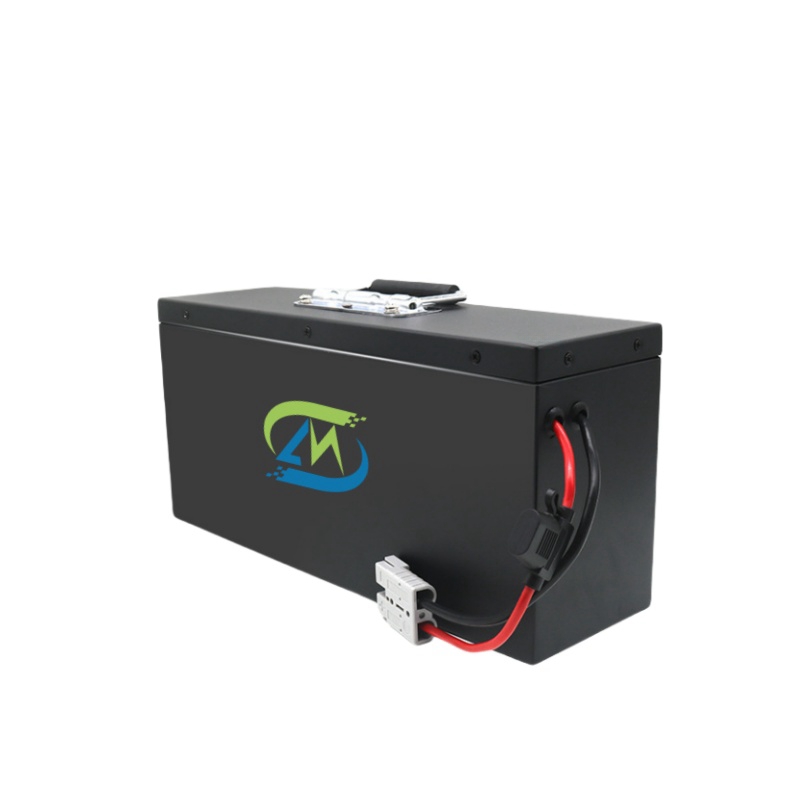
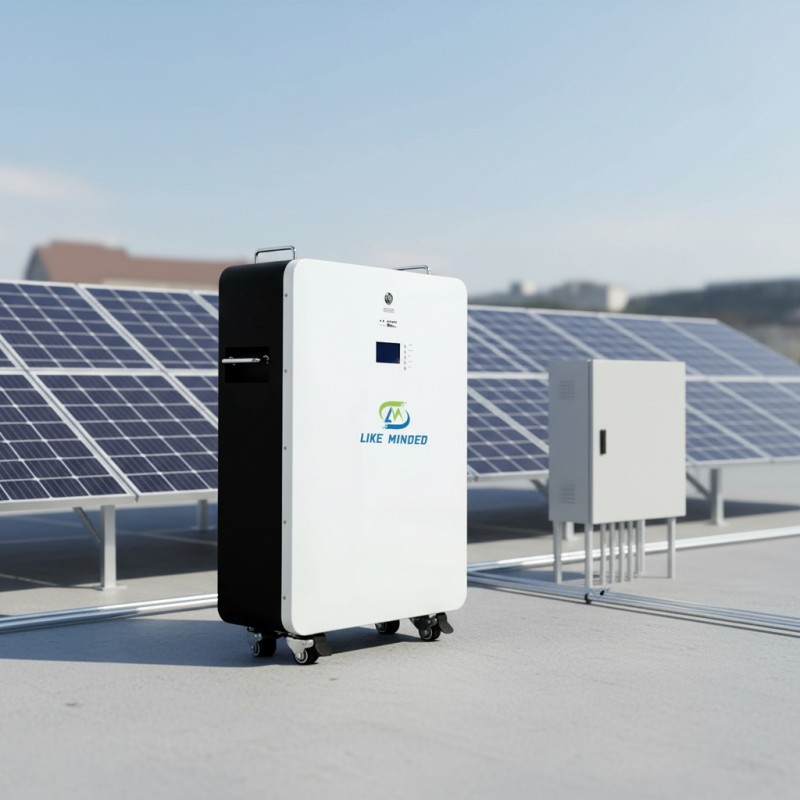
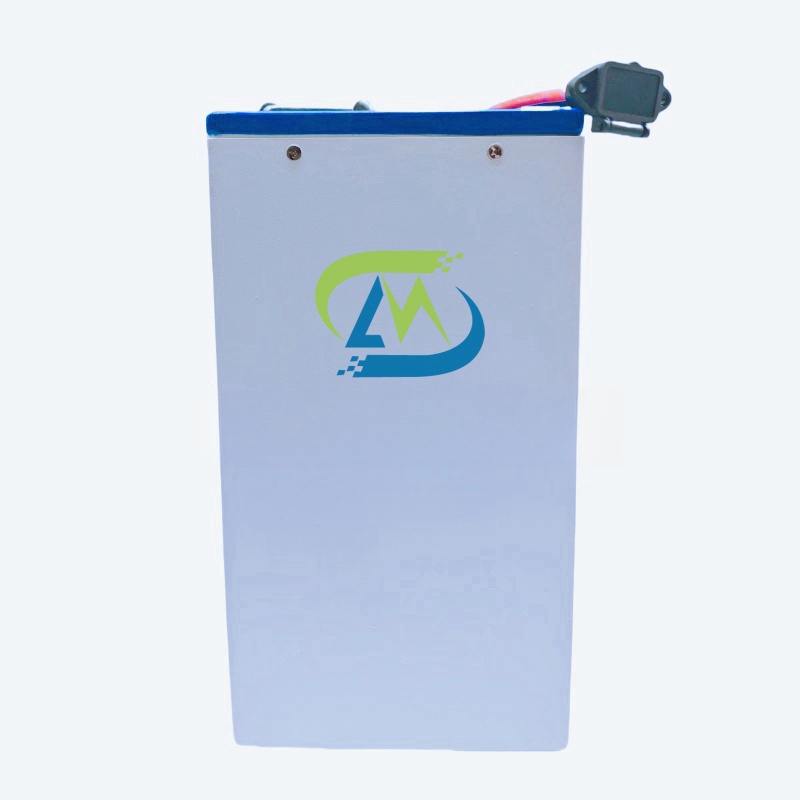
As baterias tradicionais de chumbo-ácido liberam gás hidrogênio durante o carregamento — um gás altamente inflamável que representa riscos de explosão e incêndio em espaços mal ventilados. É por isso que muitos armazéns, centros de dados e instalações de telecomunicações precisam investir pesadamente em sistemas de ventilação ao utilizar a tecnologia de chumbo-ácido.
Em contrapartida, As baterias de lítio não produzem emissões de gases tóxicos.Durante a operação normal. Seja para implantar armazenamento de energia em uma sala de servidores no Cazaquistão, um armazém logístico na Rússia ou uma residência isolada na Nova Zelândia, as baterias de lítio podem ser instaladas com segurança em espaços fechados sem ventilação especial, reduzindo os custos de infraestrutura e os riscos de segurança.
Uma das maiores vantagens das baterias de lítio modernas é o Sistema de Gerenciamento de Bateria (BMS) integrado. Este sistema eletrônico inteligente monitora continuamente:
• Tensão e temperatura da célula em tempo real
• Proteção contra sobrecarga e descarga excessiva
• Corte por curto-circuito e sobrecorrente
• Balanceamento de células para prolongar a vida útil da bateria
As baterias de chumbo-ácido não possuem essa proteção integrada. Tecnologia BMS para baterias de lítioO lítio previne ativamente condições perigosas antes que elas ocorram, tornando-se a opção muito mais segura para ambientes exigentes.
As baterias de chumbo-ácido contêm ácido sulfúrico e chumbo tóxico — ambos perigosos para a saúde humana e para o meio ambiente. O derramamento acidental pode causar queimaduras químicas graves, e o descarte inadequado leva à contaminação do solo e da água.
Baterias de fosfato de ferro-lítio (LiFePO4)Os sumidouros, o tipo mais utilizado em aplicações industriais e comerciais, não contêm metais pesados nem ácidos líquidos. São muito mais seguros para transportar, instalar e descartar, estando em conformidade com as regulamentações ambientais mais rigorosas que estão sendo cada vez mais aplicadas na Ásia Central, Europa Oriental e região Ásia-Pacífico.
Temperaturas extremas são uma preocupação real em mercados como a Rússia e a Ásia Central, onde os invernos podem ser rigorosos. As baterias de chumbo-ácido perdem uma capacidade significativa em climas frios e são propensas ao congelamento do eletrólito, o que as torna pouco confiáveis em climas rigorosos.
As baterias de lítio, particularmente as de química LiFePO4, oferecem excelente estabilidade térmica e uma ampla faixa de temperatura de operação. As funções avançadas de aquecimento do BMS garantem ainda um desempenho de inicialização confiável em condições abaixo de zero. Esta é uma razão fundamental pela qual baterias de lítio para aplicações em climas friossão cada vez mais preferidas em relação às alternativas de chumbo-ácido.
Uma bateria de chumbo-ácido típica dura de 300 a 500 ciclos de carga. Substituições frequentes não só aumentam os custos, como também elevam o risco de acidentes durante a instalação, o manuseio e o descarte.
Alta qualidade As baterias de lítio oferecem de 2.000 a mais de 5.000 ciclos de carga. — até 10 vezes mais duráveis que as baterias de chumbo-ácido. Menos substituições significam menor risco de manuseio, menor exposição à manutenção e uma redução significativa no custo total de propriedade ao longo do tempo. Para empresas na Nova Zelândia, Rússia ou Ásia Central que buscam reduzir riscos operacionais, essa vantagem no ciclo de vida é crucial.
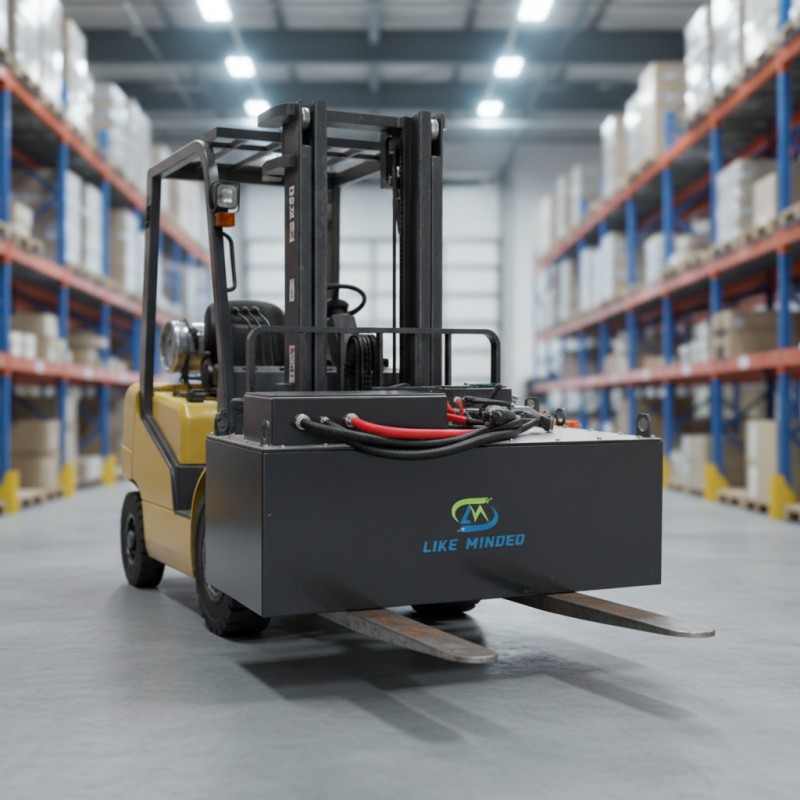
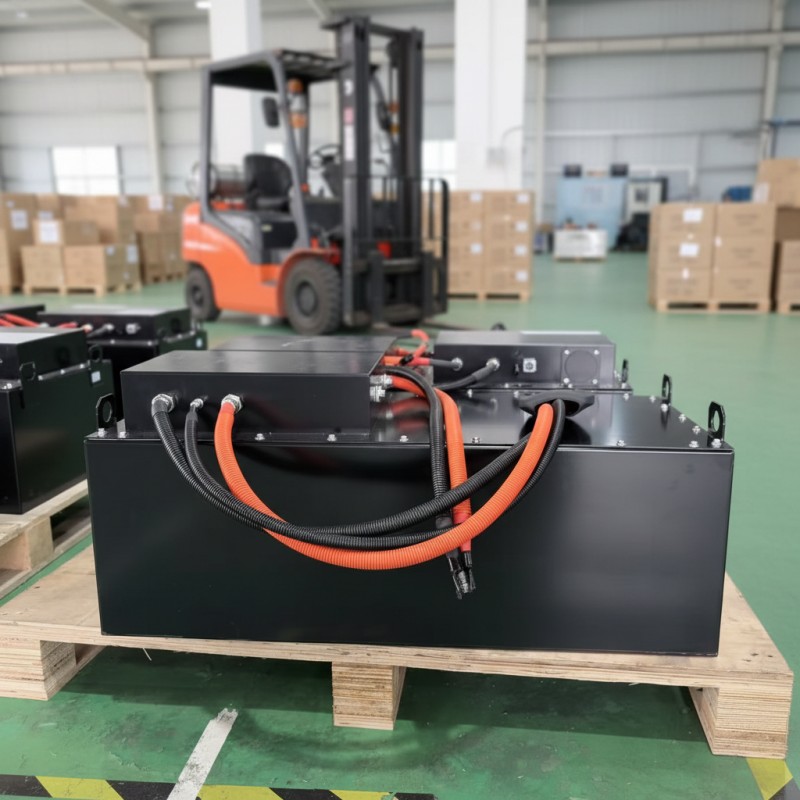
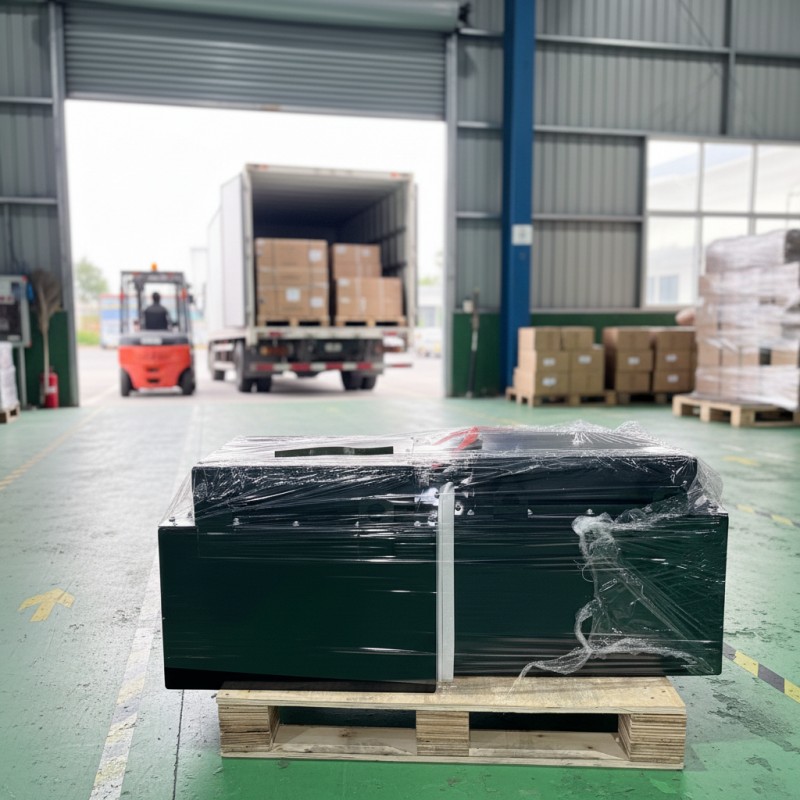
Desde a eliminação de emissões de gases tóxicos e derramamentos de ácido até o fornecimento de proteção inteligente do sistema de gerenciamento de baterias (BMS) e desempenho térmico superior, as baterias de lítio oferecem uma solução de armazenamento de energia fundamentalmente mais segura em comparação com a tecnologia de chumbo-ácido. À medida que os padrões de segurança se tornam mais rigorosos globalmente e as empresas exigem soluções de energia mais confiáveis, a transição para o lítio não é apenas inteligente — é essencial.
Pronto para modernizar seu sistema de energia? Entre em contato conosco hoje mesmo Para explorar nossa linha completa de soluções de baterias de lítio projetadas para aplicações industriais, comerciais e fora da rede elétrica em todo o mundo.
Perguntas frequentes
P1: As baterias de lítio são mais seguras do que as baterias de chumbo-ácido para uso interno?
Sim. Ao contrário das baterias de chumbo-ácido, as baterias de lítio não emitem gás hidrogênio durante o carregamento, tornando-as completamente seguras para ambientes internos e fechados, como armazéns, salas de servidores e instalações residenciais — sem necessidade de ventilação especial.
P2: As baterias de lítio funcionam em climas extremamente frios?
Sim. As baterias de fosfato de ferro-lítio (LiFePO4) são projetadas para operar de forma confiável em ambientes de baixa temperatura, tornando-as ideais para regiões com invernos rigorosos, como Rússia, Cazaquistão e Ásia Central. Os modelos avançados contam com uma função de aquecimento BMS integrada para garantir um desempenho estável mesmo em condições abaixo de zero.
P3: O que acontece se uma bateria de lítio for sobrecarregada?
As baterias de lítio modernas são equipadas com um Sistema de Gerenciamento de Bateria (BMS) que interrompe automaticamente o carregamento quando a bateria atinge a capacidade máxima. Isso evita sobrecarga, superaquecimento e potenciais riscos à segurança — um recurso de proteção que as baterias de chumbo-ácido não possuem.
Q4: Qual a duração das baterias de lítio em comparação com as baterias de chumbo-ácido?
As baterias de lítio normalmente duram de 2.000 a mais de 5.000 ciclos de carga, enquanto as baterias de chumbo-ácido duram apenas de 300 a 500 ciclos. Isso significa que uma bateria de lítio pode durar até 10 vezes mais, reduzindo significativamente a frequência de substituição e os custos a longo prazo.
Q5: As baterias de lítio são seguras para o meio ambiente?
Sim. As baterias de fosfato de ferro-lítio (LiFePO4) não contêm metais pesados tóxicos nem ácido sulfúrico, o que as torna muito mais seguras para manusear, transportar e descartar em comparação com as baterias de chumbo-ácido. Elas atendem às regulamentações ambientais cada vez mais rigorosas na Ásia Central, Europa Oriental e região da Ásia-Pacífico.
Q6: Vale a pena trocar as baterias de chumbo-ácido por baterias de lítio?
Sem dúvida. Embora as baterias de lítio tenham um custo inicial mais elevado, sua maior vida útil, menores requisitos de manutenção, recursos de segurança superiores e melhor desempenho em condições extremas as tornam uma opção muito mais econômica e confiável a longo prazo — especialmente para aplicações industriais, solares e em sistemas isolados da rede elétrica.

Deixe um recado
Escaneie para o WeChat :

Hi! Click one of our members below to chat on